
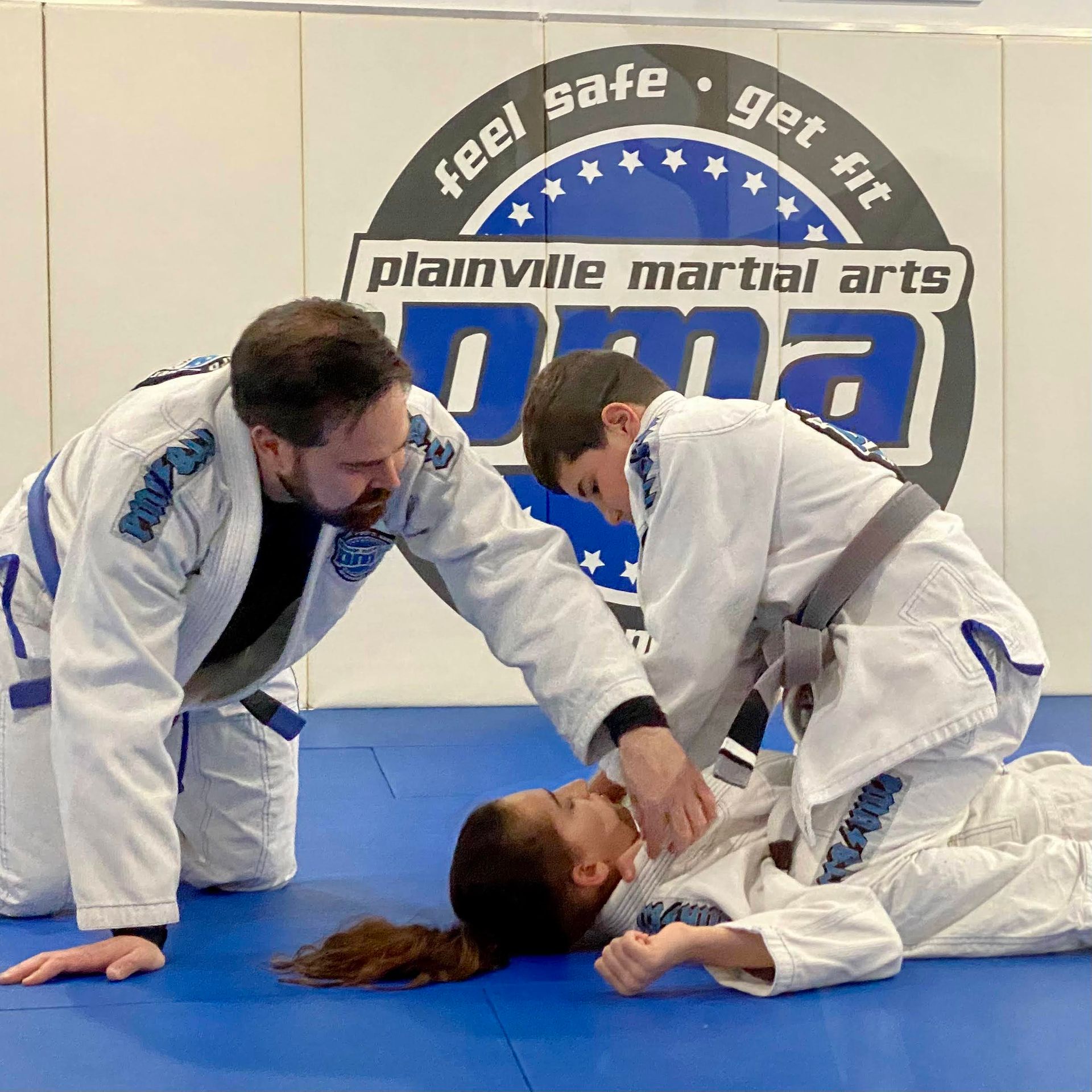
The right after school routine can improve focus, fitness, and confidence long before report cards come home.
After school in Plainville can feel like a daily puzzle: homework, snacks, screen time negotiations, and figuring out where your child can go that is safe, structured, and actually beneficial. We built our Martial Arts after school training to solve that exact problem with a predictable routine that kids thrive in and parents can trust.
For many families, the biggest challenge is finding an activity that checks more than one box. You want movement, but also discipline. You want your child to burn energy, but also come home calmer. You want something fun, but not chaotic. Our classes are designed to hit all of those goals without making your week feel even more complicated.
Martial arts is not just a sport or a way to learn self defense. When it is taught with clear expectations and consistent coaching, it becomes a skill building system that supports your child at school, at home, and in the way your family runs day to day.
Why Martial Arts fits the after school window so well
Kids do not usually need more stimulation after school. Most need a reset. A good class gives them a clean transition from the school day into an environment where the rules are simple, the movement has purpose, and progress is easy to see. That is why Martial Arts works so well between school and dinner time.
We structure classes to feel steady and familiar while still staying interesting. There is a warm up that gets the wiggles out, technique practice that builds coordination, and skill work that keeps attention engaged. Over time, students learn that focus is not something you either have or do not have. It is something you practice.
In Plainville, families also appreciate that after school time is when screen habits take over. Training gives your child a reason to put the device down and move, and it does it without a lecture. Kids feel the difference in their body first. The confidence usually shows up next.
Physical benefits that show up quickly, not someday
It is easy to underestimate what one hour of purposeful activity can do. Martial arts training builds cardiovascular health, strength, endurance, and balance, which matters a lot in a world where kids sit for long stretches at school and then sit again at home. A focused session can also burn serious energy, and some estimates put that around 600 calories per hour for a lighter student during vigorous training, which helps explain why kids often sleep better on training nights.
We see physical wins that parents notice in ordinary moments. Kids start running with better posture. They stop tripping over their own feet. They handle stairs, playgrounds, and sports with more confidence because their balance and body awareness improve. It is practical athleticism, not just exercise for exercise sake.
And because our training is progressive, students do not get thrown into advanced work before they are ready. They build foundations first, then add complexity. That is how you get real fitness improvements without turning class into a stress test.
Focus and academics: the quiet advantage parents love
A big reason after school Martial Arts programs stand out is the brain training built into the physical training. Students memorize techniques, sequences, and rules. They listen carefully, follow multi step directions, and practice self control in motion. Those are school skills, just taught in a different setting.
Research on school based karate style interventions has shown improvements in academic achievement, conduct, and physical fitness over a year of participation. Other studies link after school physical activity, including martial arts, to better cognitive performance and mood compared to non participants. We cannot promise a grade change in a specific time frame because every student is different, but we can say this: consistent training builds the habits that support better learning.
In Plainville, where testing pressure can creep into the middle elementary years and ramp up into middle school, students benefit from a routine that rewards effort, not perfection. They learn that progress happens through repetition. That mindset transfers into homework and studying in a way that feels natural.
What school skills are you really practicing in class?
We keep it simple. Your child is not just learning techniques. Your child is practicing how to learn.
• Listening for details and correcting small mistakes without frustration
• Staying on task during structured drills, even when energy is high
• Remembering sequences, terms, and movement patterns under mild pressure
• Taking feedback from instructors respectfully and applying it immediately
• Setting goals and tracking progress through clear milestones
These are the kinds of habits that make a difference in the classroom, especially for students who struggle with attention or confidence.
Confidence without the attitude
Confidence is one of those words that gets thrown around, but we mean something specific. Real confidence comes from doing hard things in a safe environment and seeing yourself improve. Martial arts gives kids that experience over and over again. They start unsure, they practice, they get it, and suddenly they stand a little taller.
The belt system helps because it turns progress into something visible. Kids can measure improvement in a way they can understand. That matters after a long school day where feedback is not always immediate. In class, effort shows up right away.
We also teach respectful behavior as part of the culture, not as an extra speech. Students learn how to line up, how to address instructors, how to partner safely, and how to be part of a group. That social structure is a relief for many kids, especially ones who feel overwhelmed by after school social dynamics.
Safety and supervision: what parents need to know
When you are choosing an after school activity, safety is not a footnote. It is the whole point. We run classes with clear rules, controlled contact, and age appropriate training. Students learn how to move safely, how to respect personal space, and how to practice techniques with control.
Our approach is structured, not chaotic. That means you do not see kids running wild or testing boundaries every five minutes. The environment is supervised, the curriculum is progressive, and expectations are consistent. This is especially important for beginners, because the first few weeks set the tone for everything that follows.
If your child is nervous, that is normal. We ease students in, teach basics carefully, and build comfort step by step. The goal is for your child to feel challenged, not overwhelmed.
Anti bullying skills that go beyond fighting
Parents often ask about bullying. The truth is most bullying is social before it is physical. So we teach skills that help students carry themselves differently: posture, voice, eye contact, and boundary setting. Those details change how kids are perceived, and it can reduce the chance of becoming a target.
Of course, we also teach self defense fundamentals, but the bigger outcome is awareness and composure. Students learn to stay calm, think clearly, and respond with control. That is what de escalates situations, whether it is a hallway issue at school or a conflict on the bus.
For teens, this becomes even more important. Confidence is fragile in those years. Training provides a place where effort is respected and personal growth is the point, which can be a big deal when everything else feels like social ranking.
A routine that helps with time management, not fights it
A common worry is homework. Families imagine adding one more activity and watching the evening fall apart. In reality, a well timed class often improves the whole schedule because it creates structure. Kids learn that training happens at a certain time, and homework has to fit around it. That is time management in real life.
We also keep the class format predictable. Students know what is coming next, so transitions feel smoother. Over time, many parents tell us the post class mood is better: less restlessness, less arguing, more willingness to settle into homework or dinner. Not every day is perfect, but the pattern becomes easier.
If you are looking at the class schedule, we recommend choosing days that match your household rhythm rather than trying to squeeze in every possible session. Consistency beats intensity, especially for younger students.
What a typical after school class looks like
We keep the flow steady so kids can relax into it while still being challenged. Most classes run about an hour and include fitness, technical instruction, and life skills. The pace is active, but not frantic.
Here is the basic rhythm:
1. Quick check in and warm up to transition out of the school day
2. Fundamental movements that build balance, coordination, and safe mechanics
3. Technique practice with repetition and coaching so students learn correctly
4. Partner drills that teach timing, respect, and controlled contact when appropriate
5. Cool down and a short message that ties training to life skills like discipline
That routine is a big part of why Martial Arts works after school. It gives kids a predictable structure while still letting them grow.
Not just for kids: adult training matters too
After school activities are usually framed around kids, but many families in Plainville want something for themselves as well. adult martial arts in Plainville is one of the most practical ways to rebuild fitness, manage stress, and feel capable again, especially if your day is mostly sitting, commuting, or staring at a screen.
Adults often tell us the best part is how training clears the mental clutter. You have to focus on the technique in front of you. That focus acts like a reset. You leave class feeling worked, but lighter.
It also becomes a family culture thing. When kids see parents training, effort becomes normal. It turns Martial Arts into a shared language at home: practice, patience, discipline, and a little bit of grit on days when motivation is low.
How to choose the right starting point for your child
Starting is usually the hardest part, mostly because parents want to get it right. We recommend thinking about your child’s current needs more than your child’s current abilities. Skills come quickly when the environment is supportive.
A few practical guidelines help:
• If your child is shy or anxious, start with a consistent weekly routine and celebrate small wins.
• If your child is high energy, look for training days that let your child move before homework time.
• If your child struggles with focus, prioritize consistency over long sessions and track progress month to month.
• If your child is athletic already, emphasize technique and control so training builds discipline, not just speed.
No matter where your child begins, the goal is the same: build a foundation that makes growth inevitable.
Ready to Begin
Building a strong after school routine is not about filling time. It is about choosing something that strengthens your child from the inside out. Martial Arts does that through movement, structure, goal setting, and a culture of respect that kids can feel as soon as they step onto the mat.
When you are ready, Plainville Martial Arts will help you match training to your family’s schedule, your child’s personality, and your goals, whether that is confidence, focus, fitness, or all of it together.
Train with experienced instructors and a supportive community by joining a martial arts class at Plainville Martial Arts.
