
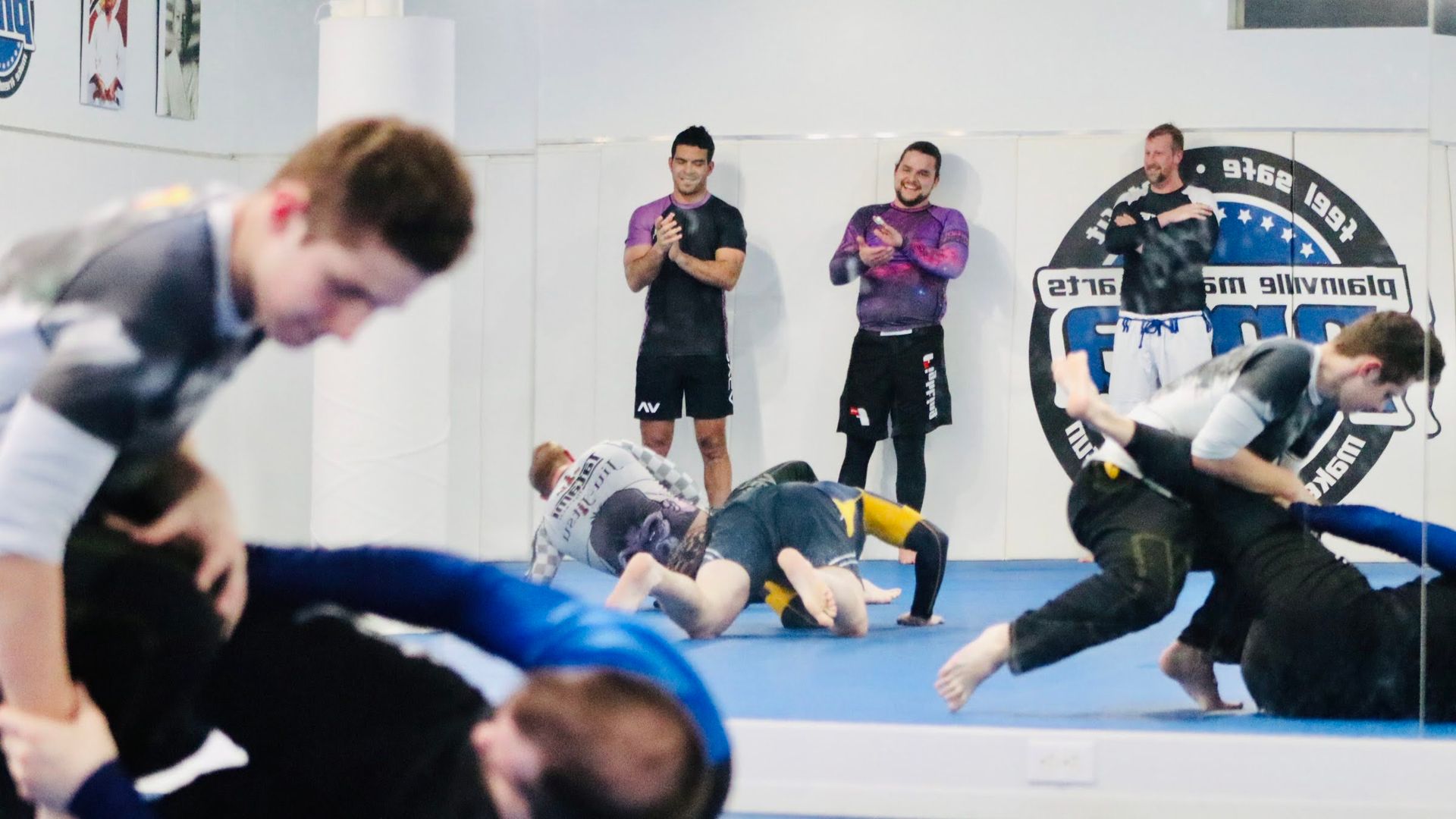
A great after school routine should burn energy, build confidence, and make home evenings calmer for everyone.
After school in Connecticut can feel like a daily puzzle: you want something structured, safe, and genuinely beneficial, but you also need it to fit real family schedules. We built our martial arts classes to meet that exact moment between the final bell and dinner time, when kids need to move, reset, and finish the day feeling successful.
As an after school activity, martial arts stands out because it is not just exercise and it is not just skill building. It blends fitness, focus, confidence, and practical self defense into one consistent routine. And when training is done the right way, the benefits show up at home and at school, not only on the mat.
In Plainville and across CT, we also see the same challenge again and again: screen time is the easiest option, but it rarely leaves kids feeling better afterward. Our classes give your child a place to move with purpose, work toward a clear goal, and leave feeling proud of what we practiced that day.
What makes an after school activity truly worth your time
The best programs solve more than one problem
Most families are not looking for “one more thing to do.” You are looking for an activity that helps your child stay active, learn self control, and build social confidence, while also giving you a dependable routine you can count on.
Our approach is simple: we coach kids to improve a little each class. That means clear expectations, consistent structure, and a positive atmosphere where effort matters. Over time, that structure becomes a habit kids carry into homework time, morning routines, and the way they handle frustration.
The schedule matters as much as the curriculum
After school activities fail when they feel chaotic. We organize our program so it fits naturally into the hours after school, with class lengths that work for families and pacing that keeps kids engaged without burning them out.
If you want a practical starting point, aim for one hour sessions, one to three times per week. That rhythm is enough to build momentum and keep progress steady without turning your calendar into a mess.
Martial arts is full body fitness that does not feel like a treadmill
Stronger hearts, stronger bodies, better energy
Kids do not need another lecture about exercise. They need movement that feels meaningful. Martial arts uses the whole body: footwork, balance, coordination, core strength, and controlled power. That adds up to real conditioning, not just random running around.
High intensity training can burn serious calories, too. For context, estimates often land around 600 calories per hour for a 125 pound person during vigorous training sessions. Your child may not track numbers like that, but you will notice the results: better stamina, improved posture, and a healthier way to burn off the day’s stress.
Coordination and body awareness improve quickly
One of the first changes we see is physical confidence. Kids learn where their feet are, how to keep their balance, and how to move with intention. That body awareness helps in everyday life, from sports and playground confidence to fewer “clumsy moments” at home.
Discipline and focus that carries into schoolwork
Why training supports academic habits
The link between martial arts and school performance is not magic. It is repetition and accountability. Students learn to listen, follow instructions, and finish what we start, even when a skill is challenging. That same pattern supports homework routines and classroom behavior.
Research has also connected martial arts participation with better self control, reduced aggression, and improved focus, with some studies reporting higher academic testing scores compared to non participants. We see a practical version of that every week: kids learn to pause, breathe, and try again instead of melting down.
Belt progress gives kids a goal that actually sticks
In many activities, kids show up and “do the thing,” but progress feels vague. In martial arts, belt progress and skill checklists make growth visible. Kids know what they are working toward, and we coach them on how to get there one step at a time.
That matters because goal setting is a life skill. When your child learns to earn progress through practice, school becomes less overwhelming. The habit becomes, “I can improve if I work at it,” which is a powerful shift.
Confidence without attitude and calmness under pressure
Self esteem grows through earned wins
Confidence is not about being loud. It is about knowing you can handle yourself. Our students build self esteem by learning techniques, practicing them safely, and noticing improvement over time. That earned confidence tends to show up in posture, eye contact, and the way kids speak up for themselves.
We also train emotional regulation. When students get frustrated, we do not shame them. We reset, breathe, and coach them back into the drill. That practice is valuable because after school emotions are real, especially in CT winters when everyone feels a bit cooped up.
Bullying prevention is partly skills and mostly mindset
Parents often ask about bullying. We take it seriously, and we address it in layers: awareness, boundaries, de escalation, and self defense skills that are age appropriate. The goal is not to “win a fight.” The goal is to reduce fear, increase confidence, and teach kids to make smart decisions under stress.
Studies have also shown reduced aggressive behavior and better self control among martial arts participants, which is exactly what we want: confident kids who do not feel the need to prove anything.
Real self defense training that stays safe and age appropriate
Safety is not an add on, it is the system
Good training is controlled training. We build safety into our class structure: warmups that prepare joints and muscles, clear rules, close supervision, and partner work that matches kids by size and experience when appropriate.
Beginners do not get thrown into situations that overwhelm them. We introduce skills progressively, and we repeat fundamentals until they feel natural. That reduces injury risk and keeps kids motivated, which honestly matters more than people think.
Inclusive coaching for different learning styles and abilities
Kids learn differently. Some need repetition. Some need extra time. Some need a calmer entry into group activity. Martial arts can support a wide range of students, including kids with disabilities, with studies reporting improvements in functionality and goal achievement.
Our job is to coach the student in front of us. We keep expectations high while adjusting the path so your child can succeed.
Why this works so well for Plainville and Connecticut families
A structured outlet in a busy, screen heavy world
Plainville is family focused. Parents want safe places for kids to go after school, and kids need an outlet that is not just more sitting. In Connecticut, academic expectations can be intense, and stress shows up younger than most people expect.
Martial arts gives kids a predictable routine. The class starts the same way, expectations are clear, and progress is measurable. That consistency helps kids feel grounded, especially when the rest of the day feels noisy and fast.
Winter friendly movement that keeps routines steady
CT weather can make outdoor activities unreliable. Our indoor training keeps routines consistent even when it is dark early, cold, or rainy. It is not glamorous, but it is practical: routines are easier to keep when you are not constantly rescheduling.
What you can expect in our after school martial arts program
The class experience, step by step
We keep class moving, but we also keep it understandable. A typical session includes warmups, skill instruction, partnered drills or pad work, and a structured finish that reinforces focus.
Here is what most students work on over time:
- Fundamental stances and footwork that improve balance and coordination
- Basic striking and defensive movements practiced with control and clear targets
- Listening skills and following directions in a group setting without getting lost
- Respectful partner work that teaches boundaries, teamwork, and safe intensity
- Goal based progression that helps kids stay motivated and track improvement
This is also where kids start to feel a shift. You will hear it in the car ride home: they will tell you what they learned, what was hard, and what they want to get better at next class.
Time commitment and consistency
Most families find that one to three classes per week is ideal. It is enough to build skill and conditioning, and it keeps your child connected to the routine. If you are balancing sports seasons, school projects, and family commitments, we can help you choose a schedule that feels realistic.
For many kids, one hour after school is the perfect reset: intense enough to burn energy, structured enough to improve focus, and positive enough to leave them feeling accomplished.
A quick comparison: why martial arts fits the after school goal
If you are looking for martial arts in Plainville, this is the kind of “why” that matters: you are not adding noise to your week, you are adding a routine that supports your child in multiple ways at once.
Take the Next Step
Building a strong after school routine is not about filling time. It is about choosing something that helps your child grow physically, mentally, and socially, week after week. That is what we focus on, and it is why so many local families stick with training once they see the changes at home and at school.
When you are ready, we would love to welcome you to Plainville Martial Arts. Our classes are designed to meet beginners where they are, keep training safe, and help your child build real skills through consistent practice in Plainville, CT.
See firsthand what makes training at Plainville Martial Arts special by joining a martial arts class today.
